Severe traumatic brain injury: understanding the stages of care
Emergency numbers
United States: 911
United Kingdom: 999 or 112
European Union: 112
Elsewhere: your local emergency number
Short answer. Care for a severe traumatic brain injury begins with stabilising vital functions and preventing secondary brain injury. Depending on the situation, it may include intensive care, specialist neurological monitoring or surgery. If the person’s condition allows, stages of regaining consciousness, rehabilitation and support for independence follow. The pathway is neither linear nor the same for everyone.
Important
Important. A severe traumatic brain injury is a potentially life-threatening emergency. After an accident, someone who is unconscious, difficult to wake, having a seizure or showing a major neurological problem requires an immediate call to emergency services. Follow the call handler’s instructions, particularly if a neck injury is possible. This article explains a care pathway; it cannot assess a patient remotely or predict their prognosis.
First stage: why does care focus on vital functions?
The accident may have caused immediate injuries to brain tissue: contusions, bleeding or diffuse damage. Treatment cannot simply erase these initial injuries. However, the team works to prevent a lack of oxygen, low blood pressure or increased pressure inside the skull from worsening the damage. This is what preventing secondary injury involves.
Medication and sometimes assisted ventilation may be needed to support breathing or protect the airway. Sedation may also form part of care. Seeing someone close to you surrounded by machines is distressing; these devices serve specific purposes that the team can explain without offering a prognosis they do not yet know.
CT scanning helps look for injuries or changes in them. Neurosurgery may be considered in certain situations, for example to treat bleeding or a threatening complication. There is no single operation routinely performed for every severe brain injury.
Second stage: what does the intensive care team monitor?
Professionals follow neurological status, pupils, breathing, circulation and, when indicated, imaging over time. Some patients need specialist monitoring of intracranial pressure. These findings are interpreted together; an isolated number cannot sum up the situation.
Sedation can make the neurological examination harder to interpret. Reduced alertness due to medication must therefore be distinguished from the assessed state of consciousness and documented injuries. When doctors adjust sedation, this does not mean the person must necessarily wake immediately. Timing depends on many medical factors.
A useful question at a discussion with the team is what is being monitored today and what needs to be stabilised before the next stage. This helps clarify the goals without treating every change as a definitive conclusion.
Third stage: is regaining consciousness always quick and steady?
No. In some people, alertness and the ability to respond return gradually. Eyes may open before communication is possible; responses may be inconsistent. In other situations, disorders of consciousness persist. Professionals use repeated observations and precise terms to describe these states.
When communication returns, a period of confusion may follow. The person may not understand where they are, repeat a question or react strongly to a noisy environment. These behaviours alone do not establish their intentions or future personality. They need assessment by the team familiar with the person’s condition and medication.
Is a sedated person necessarily in a coma? No: these are not synonymous. Sedation is the effect of medication; coma is a clinically assessed state of impaired consciousness. Interpreting an individual’s condition is the responsibility of healthcare staff, taking account of medication and the circumstances.
Fourth stage: what happens after the acute phase?
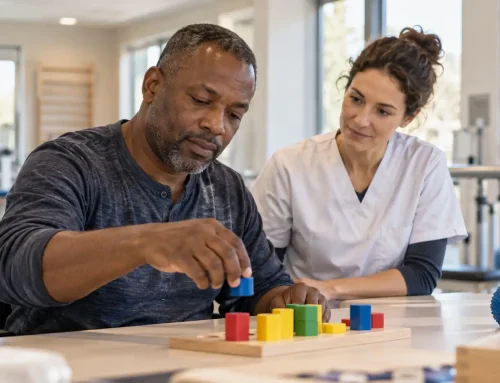
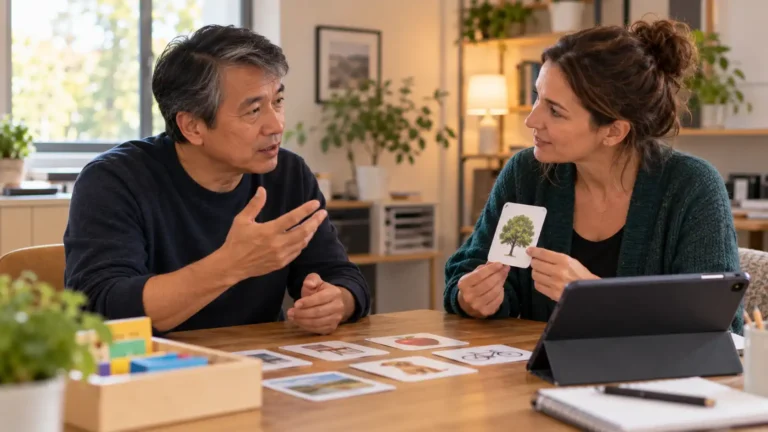
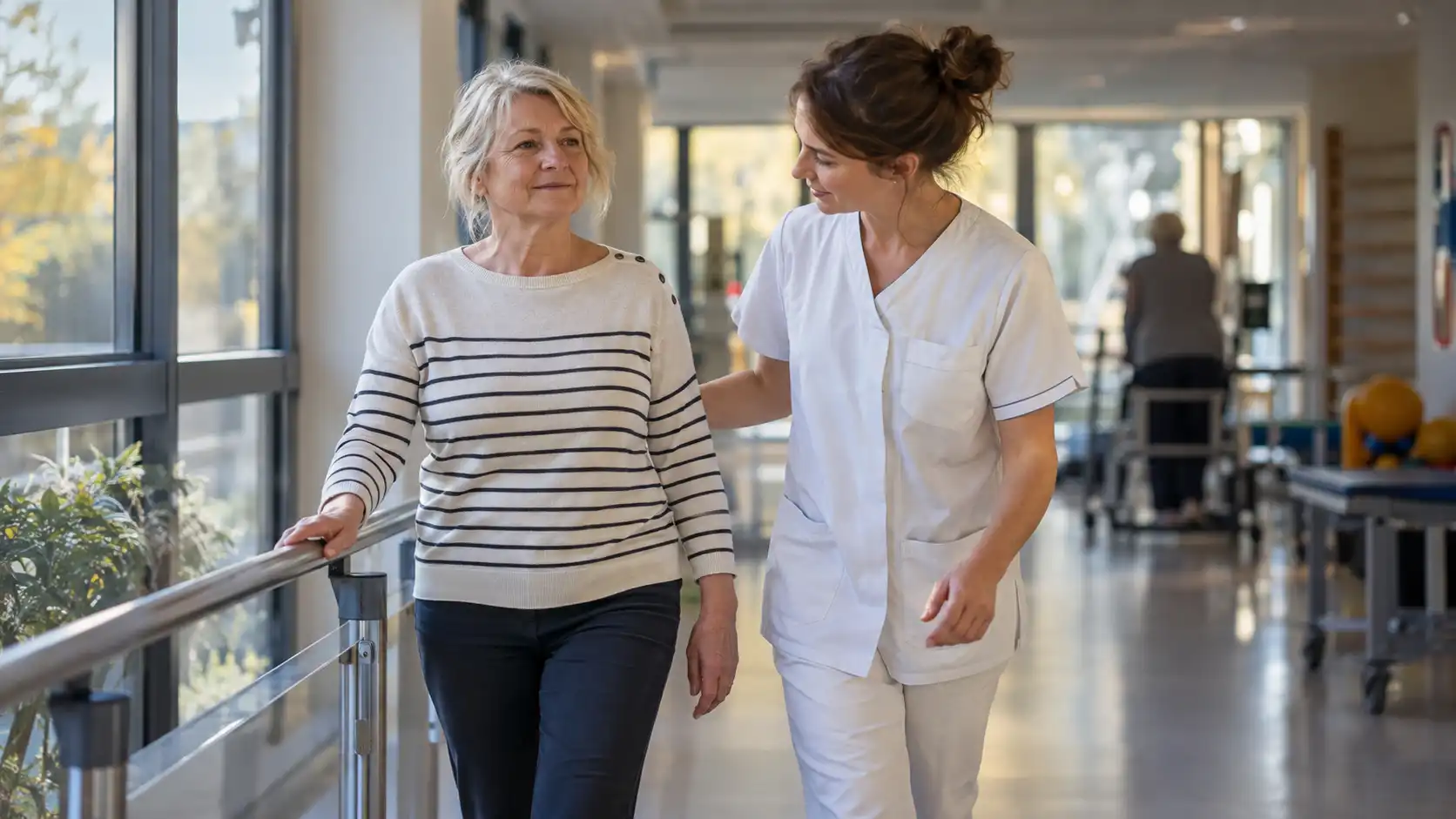
When the medical condition allows, care may shift towards physical and rehabilitation medicine and other specialist services. Rehabilitation may address walking, but also swallowing, communication, everyday tasks, attention, memory, fatigue and emotional changes. Several professions may work together, revising goals according to progress and difficulties.
For example, learning to transfer someone safely, finding a way to communicate a simple need or adapting a meal can become very important steps. These are more than successful exercises: they prepare for more active participation in decisions and everyday activities.
Going home is not the only possible next step after hospital. Depending on the situation, another care facility, outpatient follow-up or personal assistance and equipment may be needed. In the French setting of the original article, continuity of care must be organised with the relevant French professionals and services, without copying administrative rules from foreign healthcare systems.
What can those close to the person do without becoming healthcare providers themselves?
Those close to the person know their history, habits and usual way of communicating. This information can help the team. Their role is not, however, to make care decisions alone or interpret tests. Requesting regular updates, noting factual answers and seeking help from a social worker or rehabilitation professionals are useful steps.
To avoid misunderstandings, a small notebook can record the date, what the team actually said, what the person managed to do in that context and the next question to ask. Writing that the person squeezed a hand once today is more precise than saying they are almost recovered. Equally, not making a particular movement on one day does not justify an immediate prognosis.
It is also appropriate to discuss exhaustion among family and friends and options for relief and support. Supporting someone should not mean organising all their care and daily life without help.
Can you know in the first few days how the person will recover?
An individual prognosis is difficult, especially early on. Injuries, neurological progress, complications and previous health matter, as do abilities emerging during follow-up and access to rehabilitation. Some people regain certain functions quickly; others have lasting effects or substantial support needs. No general article can promise the outcome of an individual case.
Over time, asking which goals are realistic at the present stage is often more useful than seeking a recovery date. Repeated reassessment allows goals, support and decisions to be adjusted without confusing hope with certainty.
Frequently asked questions
Key takeaways
Severe traumatic brain injury first requires emergency care and sometimes specialist intensive care. The pathway may then include a period of regaining consciousness and confusion, followed by rehabilitation with varying goals. Those close to the person need clear explanations and organised support; neither a single measurement nor a standard timetable can predict an individual’s future.
Sources
MSKTC — Severe Traumatic Brain Injury
MSKTC — TBI Recovery: The Recovery Process
MSKTC — TBI and Acute Inpatient Rehabilitation
National Institute for Health and Care Excellence, « Head injury: assessment and early management », NG232, 2023. — https://www.nice.org.uk/guidance/ng232/chapter/recommendations
Brain Trauma Foundation, « Guidelines for the Management of Severe TBI, 4th Edition ». — https://braintrauma.org/coma/guidelines/severe-tbi
Model Systems Knowledge Translation Center, « Understanding TBI: Part 1 — What Happens to the Brain During Injury and Early Recovery ». — https://msktc.org/tbi/factsheets/understanding-tbi-part-1-what-happens-brain-during-injury-and-early-stages-recovery
Centers for Disease Control and Prevention, « Recovery from a Moderate or Severe TBI », 6 August 2025. — https://www.cdc.gov/traumatic-brain-injury/response/moderate-severe-tbi.html
Last editorial review: October 2026
Partagez cet article, choisissez votre plateforme !
 Numa Costa
The pen name under which I write my articles and develop my editorial websites. Curious by nature, I enjoy understanding how things work, exploring everyday questions and making information easier to understand and use.
→ Learn more about the author