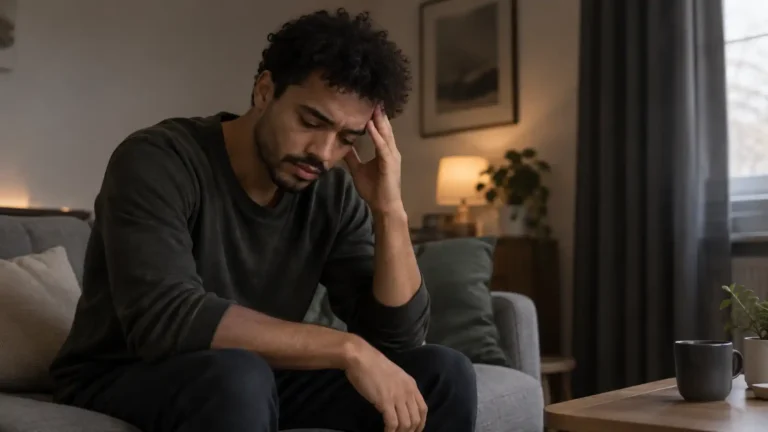
Traumatic brain injury and life as a couple

After traumatic brain injury, a couple’s life may be affected by changes in fatigue, attention, mood, communication or responsibilities. This does not mean every relationship will be weakened or every change permanent. Yet waiting for everything to return to normal without discussing difficulties can establish misunderstandings. First understand what changed, then find approaches respecting both partners.
Experiences differ: some quickly resume habits, while others gradually find invisible effects more burdensome than physical ones. Partners may also experience events differently: one wants to regain their place while the other fears another incident.
Important
This article provides general information. It cannot diagnose a brain injury or assess the seriousness of an individual situation remotely, and it does not replace an examination or advice from a qualified healthcare professional.
Why do familiar conversations become harder?
Ordinary conversation involves listening, selecting information, remembering what was said, understanding tone and responding. With affected attention or increased fatigue, late-evening discussion beside a television may be harder than a few quiet morning sentences. This mismatch does not necessarily mean lost interest in a partner.
A common situation involves one partner describing three appointments. The other remembers the first, forgets the third and seems not to listen. Discussion shifts to accusations of never paying attention. A more useful adjustment records dates, handles one topic at a time and checks understanding without turning every conversation into a quiz.
Emotions may also change. A strong response to noise or the unexpected may reflect overload, pain or regulation difficulties. Understanding the context does not oblige a partner to accept hurtful words, intimidation or violence. Safety and each person’s limits remain essential.
When one becomes the carer and the other the patient
Hospitalisation and rehabilitation often redistribute appointments, finances, shopping, travel and administration. This may be essential initially but burdensome if implicit and never reviewed. Someone close may end up deciding everything through fear of failure; the injured person may experience protection as lost status.
A simple question clarifies roles: what can you decide independently even if you still need help carrying it out? Choosing a meal differs from carrying groceries or standing at the hob for a long time.
Instead of rigid duties, establish three categories: independent tasks, shared tasks and tasks temporarily delegated. Reviewing them a few weeks later helps avoid emergency arrangements becoming unchangeable rules. Consent and safety take priority.
How can you discuss a problem without immediately arguing?
The aim is less perfect wording than discussing an observable situation rather than an identity. Two outings cancelled because a restaurant was too noisy suggests more solutions than accusing someone of no longer wanting to see anyone. Observations invite adjustments; labels fix roles.
Prepare important conversations: choose a time when both are available, limit distractions and handle one topic. When memory is affected, recording a decision together on a phone avoids reopening the disagreement two days later.
For example: “When four friends visit together, I see you get exhausted and feel alone managing everything. Could we try a shorter visit and prepare together?” This includes a fact, feeling and changeable proposal without assuming an exact medical cause.
Preserving time together beyond care
Appointments and difficulties may occupy everything. Couples also need pleasure, humour, shared choices and sometimes quiet. Resuming something enjoyed need not mean doing it exactly as before. A short walk, a film in parts or a quiet meal can be shared experiences in their own right.
A moment’s quality matters more than social appearance. Two hours at a noisy dinner is not automatically more normal than a quiet thirty-minute picnic. Activities should suit both partners without performance demands or instructions to be happy.
Another nuance matters: the person with brain injury may need rest while their partner needs to see friends without them. These needs are not necessarily incompatible with affection. Expressing them openly protects against a false opposition between loyalty and independence.
Intimacy, affection and sexuality: distinguish them
Changes in desire, sensitivity, confidence and fatigue may affect intimacy. Yet no sexual intercourse does not mean no tenderness, and different desire does not measure relationship quality. The aim is not a normal level, but a free, respectful and consensual space to express needs.
Avoid assumptions: apparent lost desire may actually involve pain, bodily discomfort, worry or exhaustion. Talking away from an intimate moment may reduce pressure. Persistent difficulties may benefit from healthcare or psychological support. The article about sexuality after a brain injury specifically considers physical, medical and relationship causes.
What if tensions persist despite adjustments?
Some disagreements exceed small daily changes. Lasting sadness, repeated conflicts, marked behaviour changes or excessive caring demands may warrant individual or couple psychological support. The rehabilitation team can also assess whether cognitive difficulty makes communication strategies insufficient.
No professional should impose a relationship model. Support aims to understand needs and restore choices. With threats, coercion or violence, specialist help and safety take priority over a simple communication exercise.
A small dialogue routine to try
Once weekly at a quiet time, each can describe what became easier, what was personally difficult and one tiny change to try. One experiment at a time is enough. The aim is not another rehabilitation protocol, but making changes visible and open to discussion.
Key points: asking everyone to be constantly patient does not repair a relationship. Redistributing responsibilities, maintaining limits and finding shared moments beyond the injury also help build it.
Frequently asked questions
Key takeaways
Key points: asking everyone to be constantly patient does not repair a relationship. Redistributing responsibilities, maintaining limits and finding shared moments beyond the injury also help build it.
Sources
MSKTC — Relationships After Traumatic Brain Injury
MSKTC — Impact of Traumatic Brain Injury on Families
MSKTC — Emotional Changes After Traumatic Brain Injury
MSKTC, « Cognitive Problems After Traumatic Brain Injury ». — https://msktc.org/tbi/factsheets/cognitive-problems-after-traumatic-brain-injury
MSKTC, « Sexuality After Traumatic Brain Injury ». — https://msktc.org/tbi/factsheets/sexuality-after-traumatic-brain-injury
Last editorial review: October 2026
Partagez cet article, choisissez votre plateforme !
 Numa Costa
The pen name under which I write my articles and develop my editorial websites. Curious by nature, I enjoy understanding how things work, exploring everyday questions and making information easier to understand and use.
→ Learn more about the author